

Floor or ceiling? Which radiant system to choose
Radiant systems heat by radiation, not convection: here is why the ceiling works too, and how to choose based on context.
When it comes to radiant systems, the first question many ask is: is underfloor or ceiling heating and cooling better? The answer is often influenced by clichés, such as “heat rises”. But is that really the case?
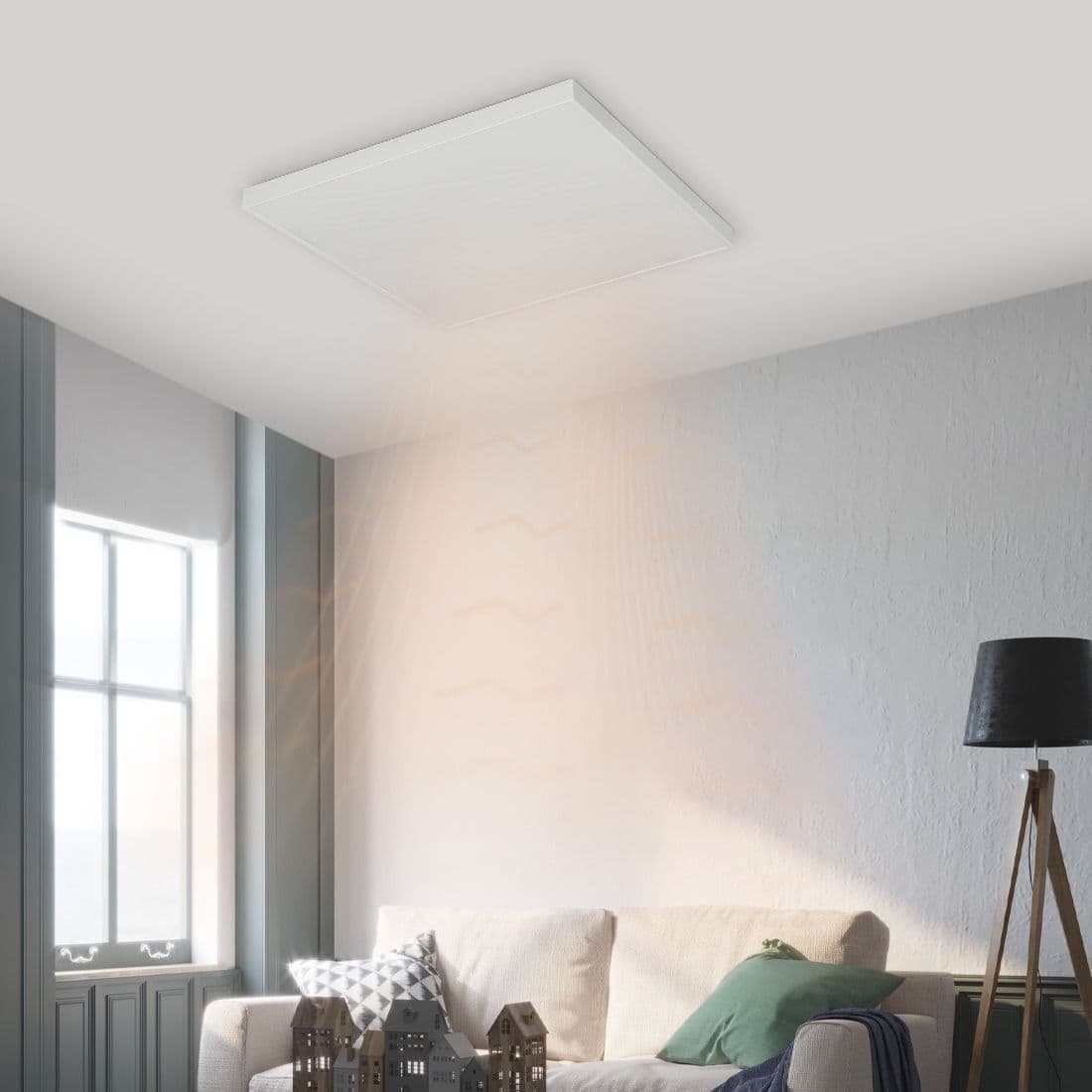
It is true that warm air tends to rise, but radiant systems do not work by heating the air: their principle is radiation. Heat is transmitted directly from a surface (floor, ceiling or wall) to the objects and people in the room, without passing through the air.
So a radiant ceiling system works very well, and in many cases can be even more advantageous than the classic underfloor system, especially with architectural constraints or complex renovations.
Radiation is the most natural form of heat transmission: the same that warms us in the sun on a winter day. With a radiant system heat does not gather at the top, but is felt evenly throughout the room, ensuring superior comfort and a healthier environment, with no convective motion that lifts dust.
Another key aspect is thermal inertia, the system's ability to keep the temperature stable once reached. An underfloor system has higher inertia: it heats more slowly but holds heat longer. A ceiling system is more responsive, ideal for rooms that need intermittent heating or cooling.
The answer, as often happens, depends on context: type of building, intended use, occupants' habits, insulation, budget and much more.
That is why Simplex Hydronic Technology offers personalised technical consultancy, to help you choose the radiant system best suited to your needs, with in-depth analysis and tailored solutions.
Passende Produkte
Passende News

Sprechen wir über Ihr nächstes Projekt
Unsere Technische Vertriebsleitung berät Sie zu Konfigurationen, Stückzahlen und OEM-Anpassungen.